




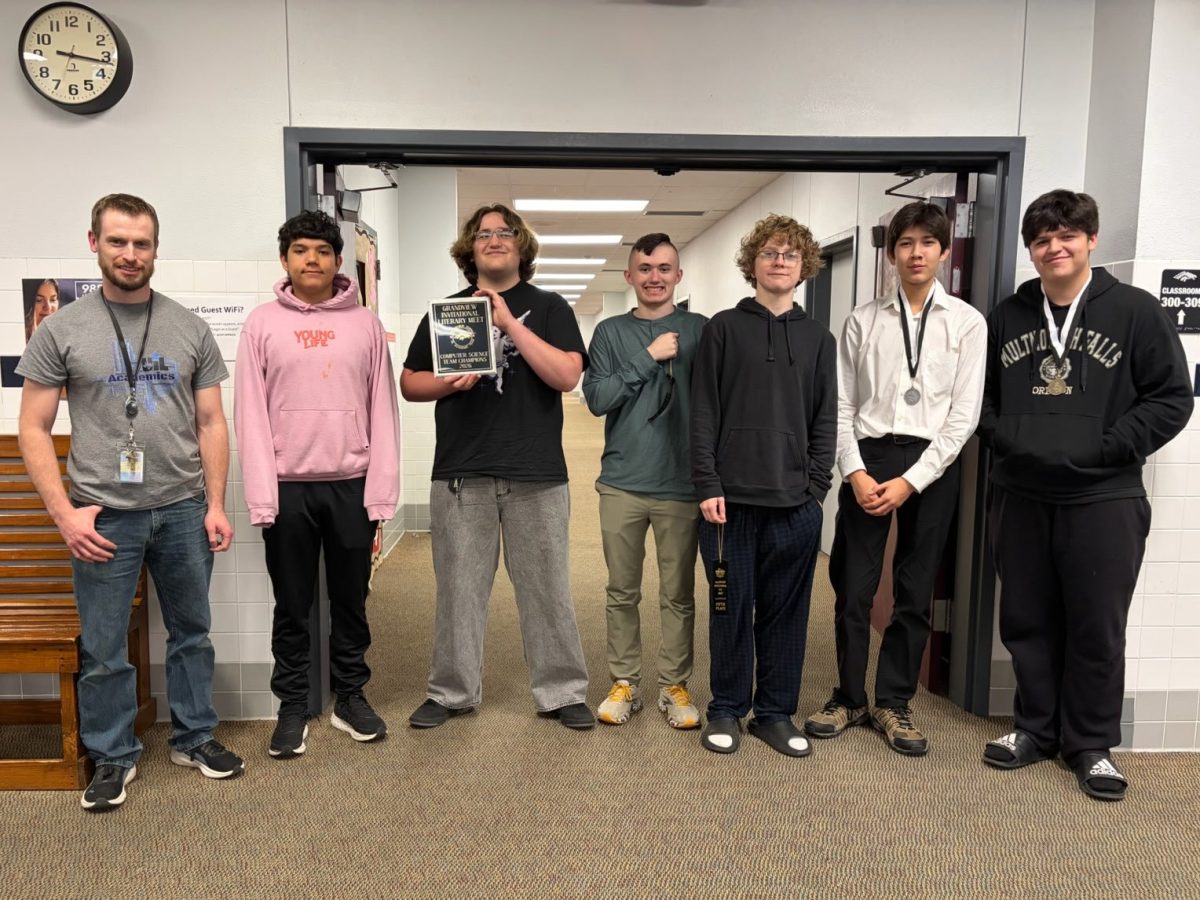





Every year, dozens of students not only compete in Academic UIL, but also excel in their individual events. While practice tests and preparation is no new concept for students competing in events, one team in particular takes it to the next level, in both practice and results.
The Computer Science UIL team is known for stacking up medals and titles when they compete. Turning lines of code into competitive success is no easy feat, but the six students who make up the team are quickly tackling complex problems and taking on a curriculum that goes far beyond the classroom. With each late night practice, far away contest, and extensive tests, the team is proving that determination can turn challenges into achievement.
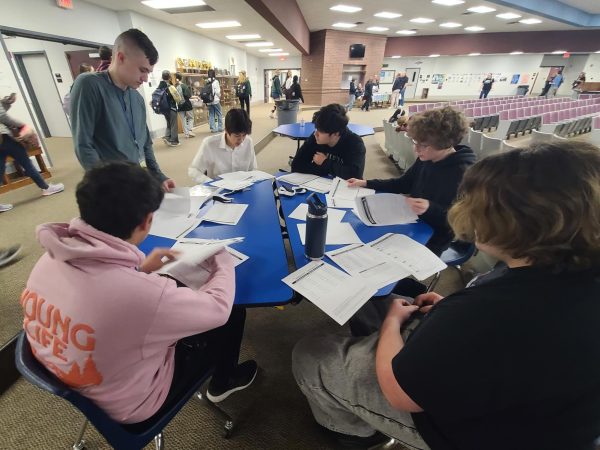
Each competition is made up of two events for Computer Science, written and programming. The written event features a paper test of questions involving code, computer science theory. Programming, or other times known as “hands-on,” entails a 12-problem packet that students have to program solutions to in teams. Both events are difficult and often riddled with collegiate-level questions. The material seen on these tests are not topics that are not usually taught in normal classes due to their advanced curriculum.
“In terms of academics, the concepts we learn are already at an entry collegiate level, meaning the stuff we learn is what is taught in college,” junior Austin Rees said. “Furthermore, with the progressiveness of test writers in our UIL, the concepts are only becoming more advanced and further in the collegiate knowledge base.”
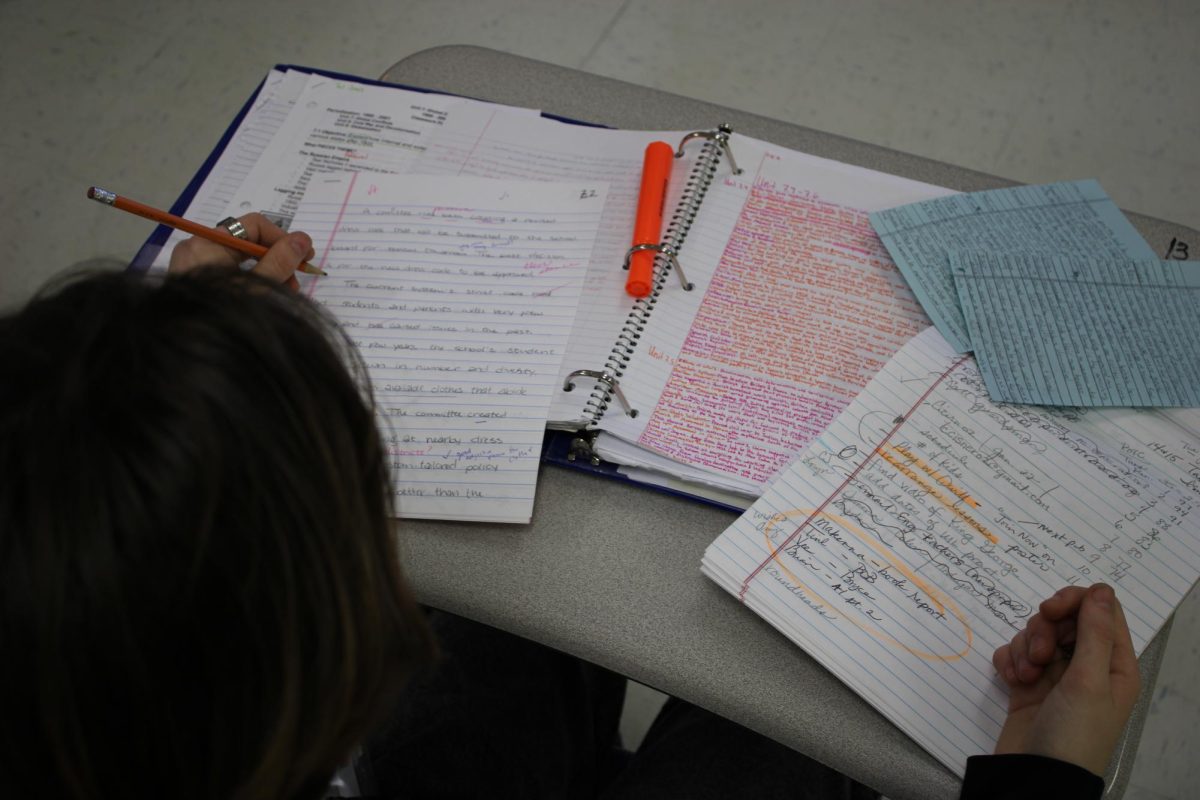
With there being two events that all six students compete in throughout the school year, a lot of practice is needed. The team meets after school once or twice a week to go over tests and help teach each other new topics. These practices can sometimes last anywhere between two to four hours, which pays off in the end.
“We usually try to practice at least once a week at school, but sometimes we will practice more,” senior Trevor Seigler said. “There have been times that we’ve stayed at the school till 8 o’clock just to be ready for competition the next day. I try to practice taking written tests at home, but there are only so many tests to take, and I’ve taken most of the ones that would be beneficial to me regarding the topics covered on the test this year. I would say that a lot of prep goes into this event, as we try to bring our best to every competition that we compete in.”
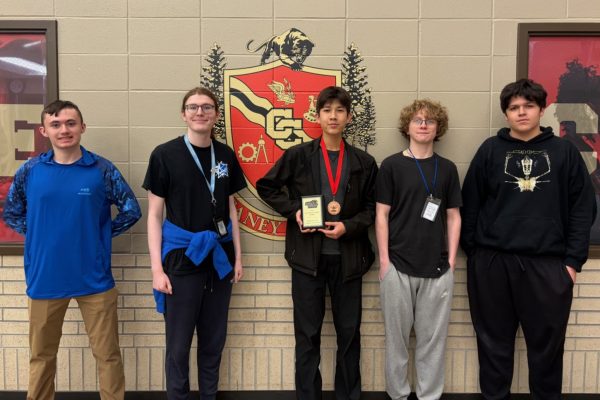
The consistent practices are not only to help with their consistent results, but are needed with the amount of events the team participates in across the state. While a lot of UIL teams compete locally or virtually, the Computer Science team has gone as far as Houston to compete. The months that come before district are often booked with competitions on the weekends.
“I would not say I have a favorite specific memory, but I would say that my favorite group of memories would be the car rides to our competitions because of the memorable conversations that happen in the car,” senior Lincoln Kolhagen said.
The hours of car rides and practices have helped the team grow. While practices are often filled with advanced discussions of different topics related to their events, they are also filled with laughter and camaraderie. The students themselves are the heart of the team. Each member brings their own strength– whether it’s quick problem solving, communication, or logic– they’ve formed a team that thrives under pressure.
“I enjoy the people on our team, I really do. It’s not necessary that we all like each other, but knowing someone is always about to crack a joke or tell some intricate story really does make practices and competitions fun,” Seigler said. “Being able to share and celebrate the win with [the] people [who] understand the work and effort that goes into it makes [more] worth the while.”
 None of the successful wins or far away meets could have been accomplished without Colin Yeilding, the team’s coach. Yeilding teaches Computer Science and is also the Academic UIL coordinator. Yeilding, who once competed in UIL events during his time in high school, has not only led this team to multiple victories, but the teams that came prior have been extremely successful as well. He’s had two teams advance to state in the past, one taking home the championship title and one placing fourth. He has also had a student place who scored a perfect 240 on the state written test. Three individuals have also made it to state before under his coaching.
“Mr. Yeilding does a lot to help us prepare and learn what we need for our event,” Seigler said. “He sets up third party events for us like Waller and Mt. Pleasant, and drives us the long drives. He makes sure that we get fed when we stay late for practice, and keeps us in line when we start to get too rowdy. We wouldn’t be where we are as a team if it weren’t for him pushing us to do better, and to never stop learning. At this point we usually lead the practices, but he still serves as a good final opinion for certain test questions that stump us.”
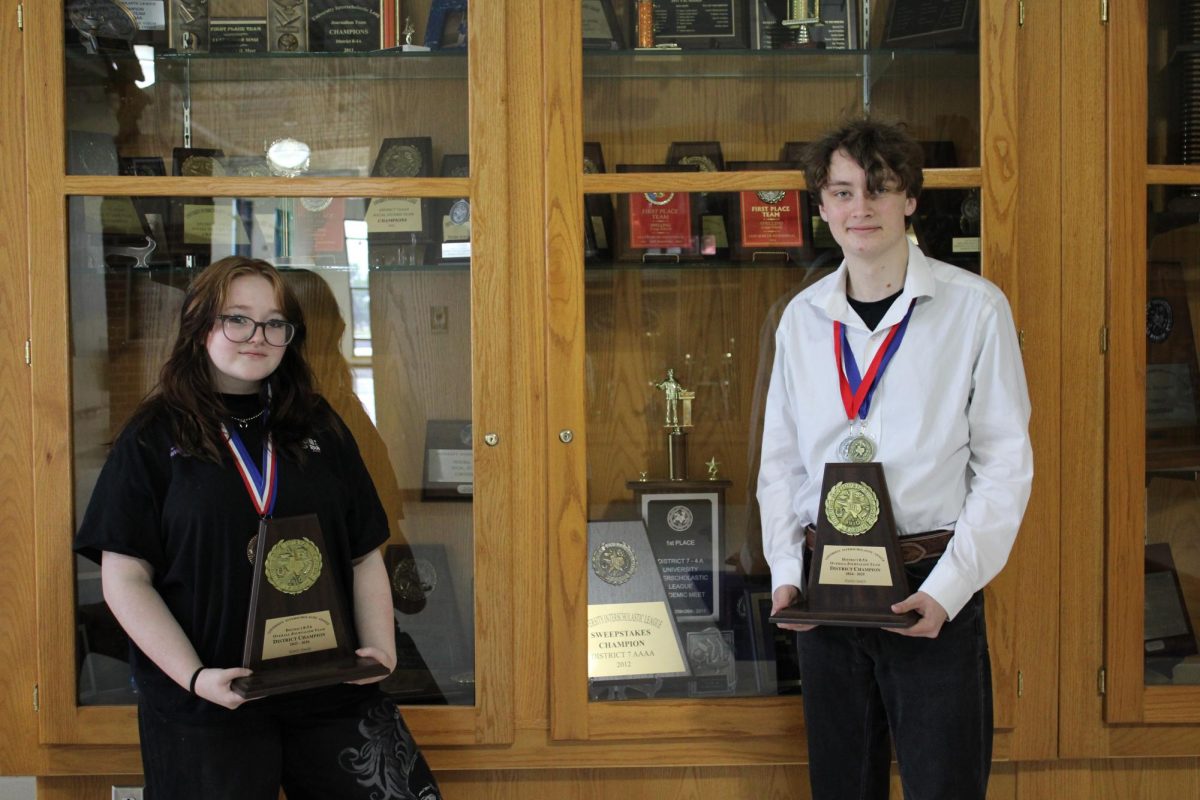
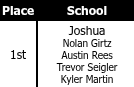
The team has gone far this season, with five out of six members placing in one event at district, and the team sweeping a first place finish in another. The team is now heading to the UIL Academic Region in Lubbock on April 22-23. The team is now in overdrive to properly prepare for the feat of an event, with over 30 schools sending their students to compete. Preparing for an event of this magnitude takes a lot of work and dedication, but the team and Yeilding are hopeful to keep their win streak consistent.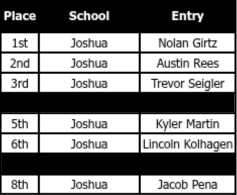
“A lot of prep goes in if you want to be successful,” Rees said. “At this point, our teaching is largely self-paced, so to reach the point we have reached now we must put in a lot of work both in and out of school. Out of school we must learn individually and in school we are able to teach each other what we have learned on our own as well as learn new things all-together collectively.”
Beyond medals and rankings, the impact of the Computer Science UIL team reaches further than that. With a dedicated coach and a hard-working team, the future awaits for the team– one line of code at a time.