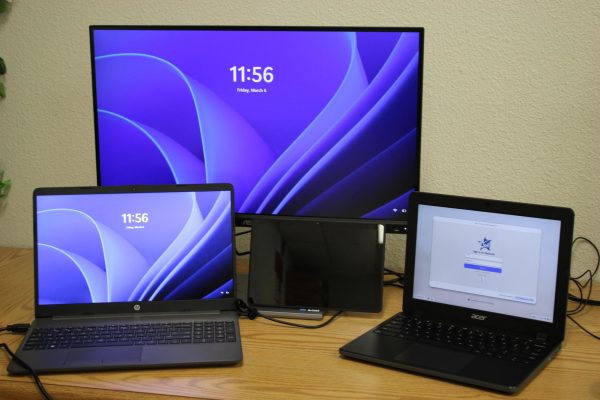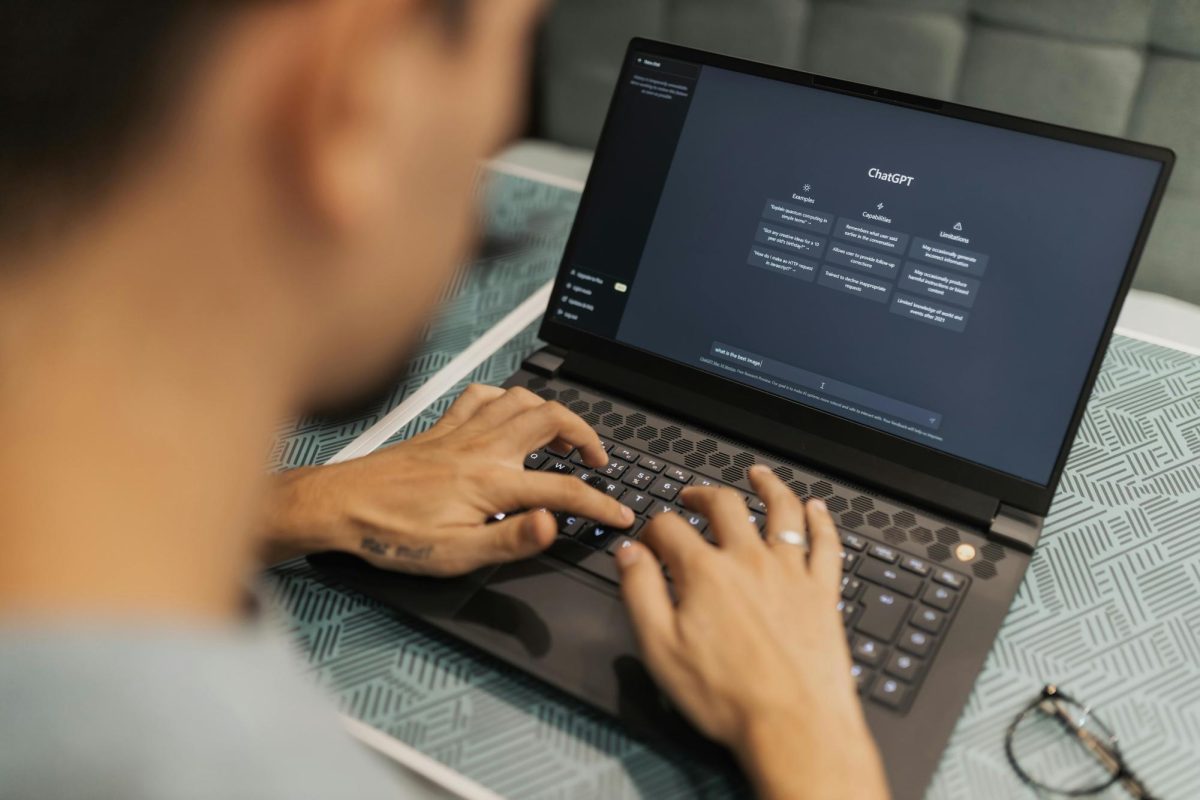



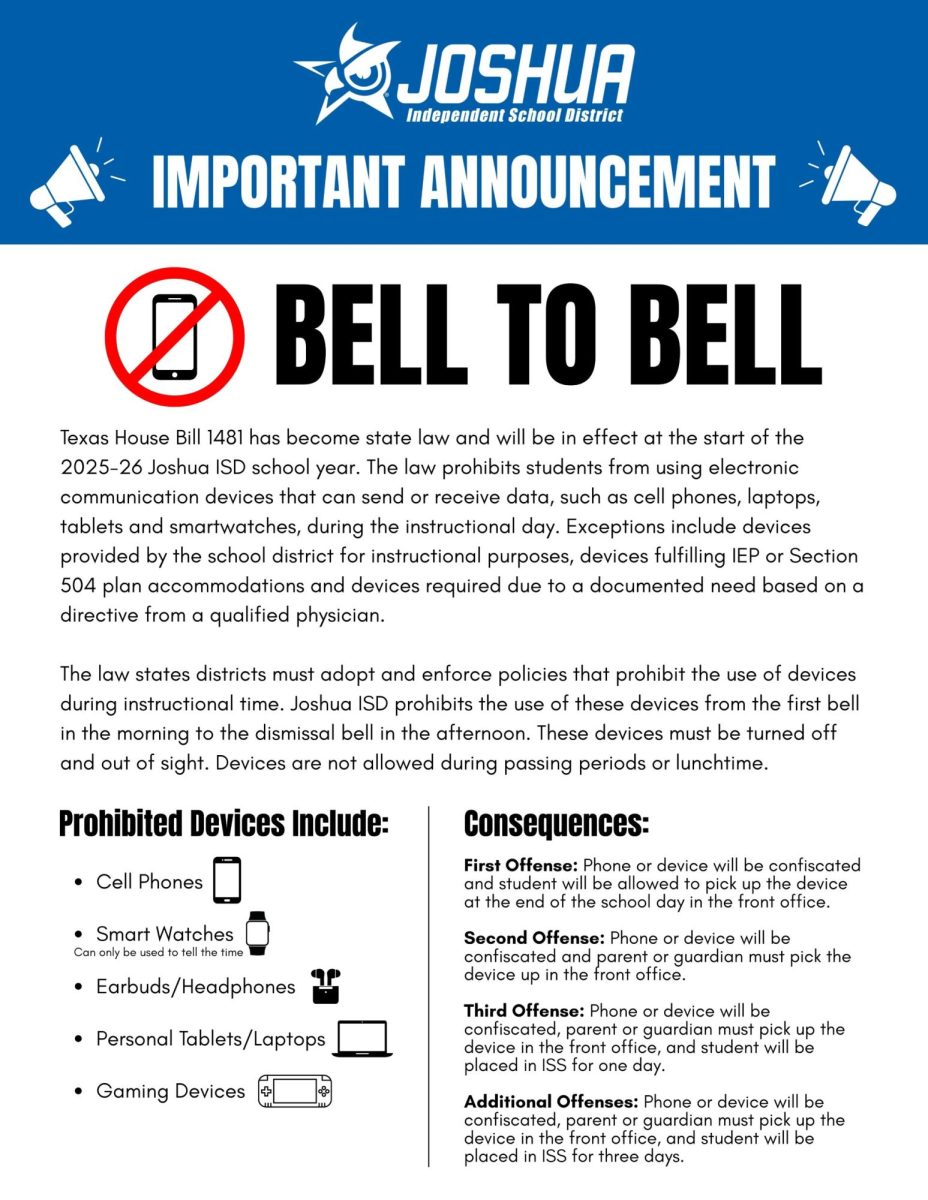

















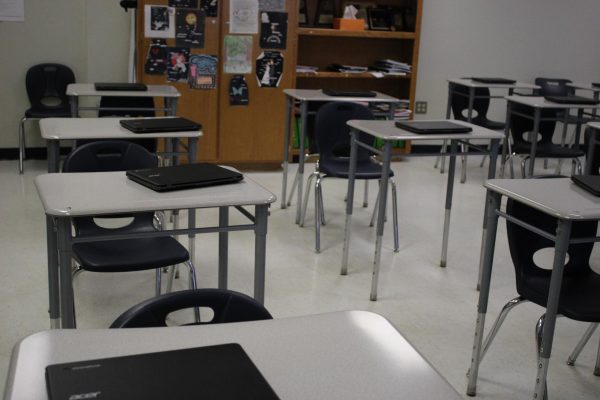
It is no secret that technology has taken over classrooms within the past few years. What was once a rare sighting, school technology devices are currently used by most students every single day. Whether it’s typing out an essay, using them to study, or going online to complete assignments, technology has become a crucial part in the everyday lives of students across the nation.
But as a generation of students who have solely relied on technology approaches, the argument arises of whether or not traditional pen and paper learning is more beneficial to students than the education received via technological devices.
The benefits for students having access to technology has grown increasingly as more and more schools are implementing everyday use of computers and tablets. Students are able to easily access research and find out answers to their questions. While discretion is needed in order to not access misinformation, having access to search engines can definitely benefit a student’s learning experience. Even while some classrooms advise against using google or online textbooks, having the ability to learn what information sources are accurate or not teaches students to be wary about what tools are available. Being able to distinguish between what is misinformation and what isn’t teaches online literacy, which is a very helpful trait to have in an age where technology is everywhere.
Interactive learning tools like custom flashcards and learning games also help students study in a quick and efficient manner. Having access to study tools no matter where a student is, across most devices, can help learning become consistent outside of the classroom. Quickly being able to access information and study tools while outside of school gives students resources to be prepared and to explore learning goals. Technology being integrated into the classroom also helps students and teachers stay in contact with each other at any time. This helps students receive the assistance and feedback they need whenever, rather than just waiting for annotations on a physical paper when the school week starts.
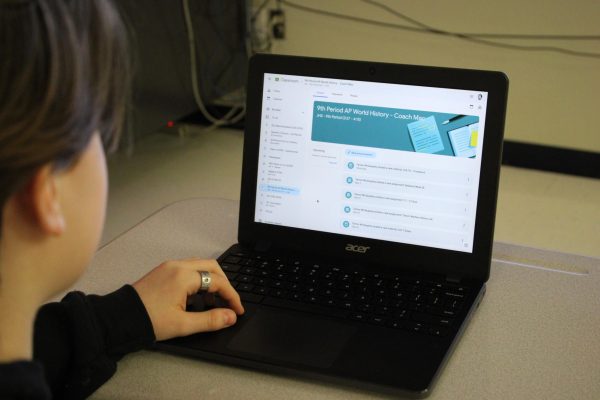
Students are also able to be a lot more proficient when it comes to essays and assignments. Since a large number of students have now grown up using computers and laptops every single day in each class, they have grown used to having access to quicker and more efficient ways of learning. Instead of writing essays on paper, they are typed out and done a lot quicker than before. Students are able to easily translate the thoughts and ideas and apply them at a faster pace than handwriting. Students are also able to work on school from home or over the weekends as most applications are accessible from any device.
While using technology has its advantages, a lot of people, even those who grew up using technology solely for school work, argue that traditional pen and paper assignments are better learning tools for students.
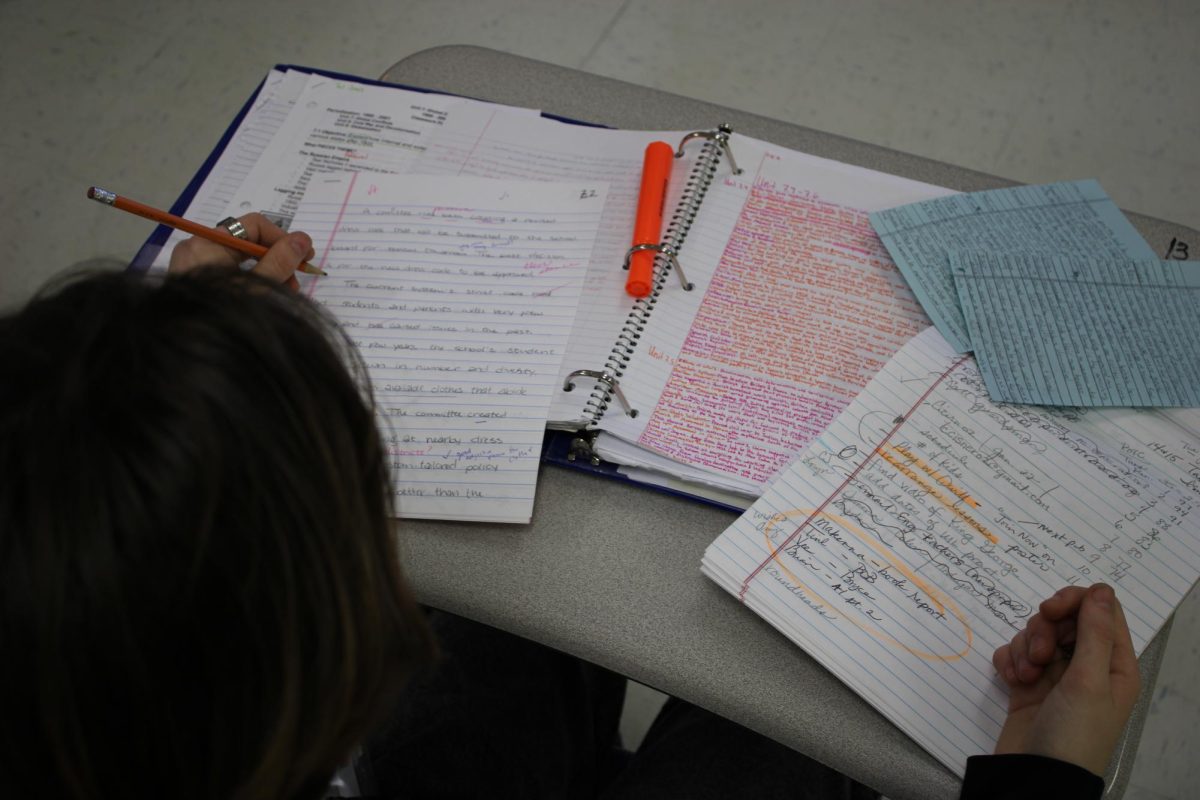
It is argued that using paper to take notes and complete assignments promotes better retention of the actual material. Handwriting helps enhance memory by stimulating the brain. Having the connection between writing out thoughts and what the brain is thinking helps students study because it takes longer to break down the thoughts and material used. The physical act of turning pages and handwriting helps the process of recalling information. Physical assignments create and promote hands-on learning and retention that cannot be replicated by sitting in front of a screen.

Along with using physical study tools, the lack of technology used for a student, while at school, can be beneficial. Since technology is everywhere now, using less and less technology involving school work can help students from being distracted. Paper assignments do not require screens, batteries, or internet connection. The lack of technology promotes a better learning experience with less distractions. Even if a student has only one class out of nine periods where they don’t use a computer, the screen-less time they have beneficial to their brain. Young students associate technology with entertainment, so less use in the classroom can produce more efficient and focused learning.
Students also benefit from the responsibility that comes with having paper assignments. Instead of having a device where assignments can rarely be lost or destroyed, students have the responsibility of keeping track of their physical assignments. Taking care of paper assignments and making sure they do not get lost teaches students how to be responsible. While this can come with consequences for ruined or neglected assignments, students nonetheless are more likely to handle the assignments, and the learning that comes with them, with more care.
Both methods have the same goal of ensuring education and readiness, so regardless of personal preference, there is only one mutual aspect to the debate between technology and physical assignments– the education students gain along the way. Whether it’s colorful screens and fast typing, or pencils scribbling and pages turning, students can ultimately benefit from the education and growing they gain from both.