






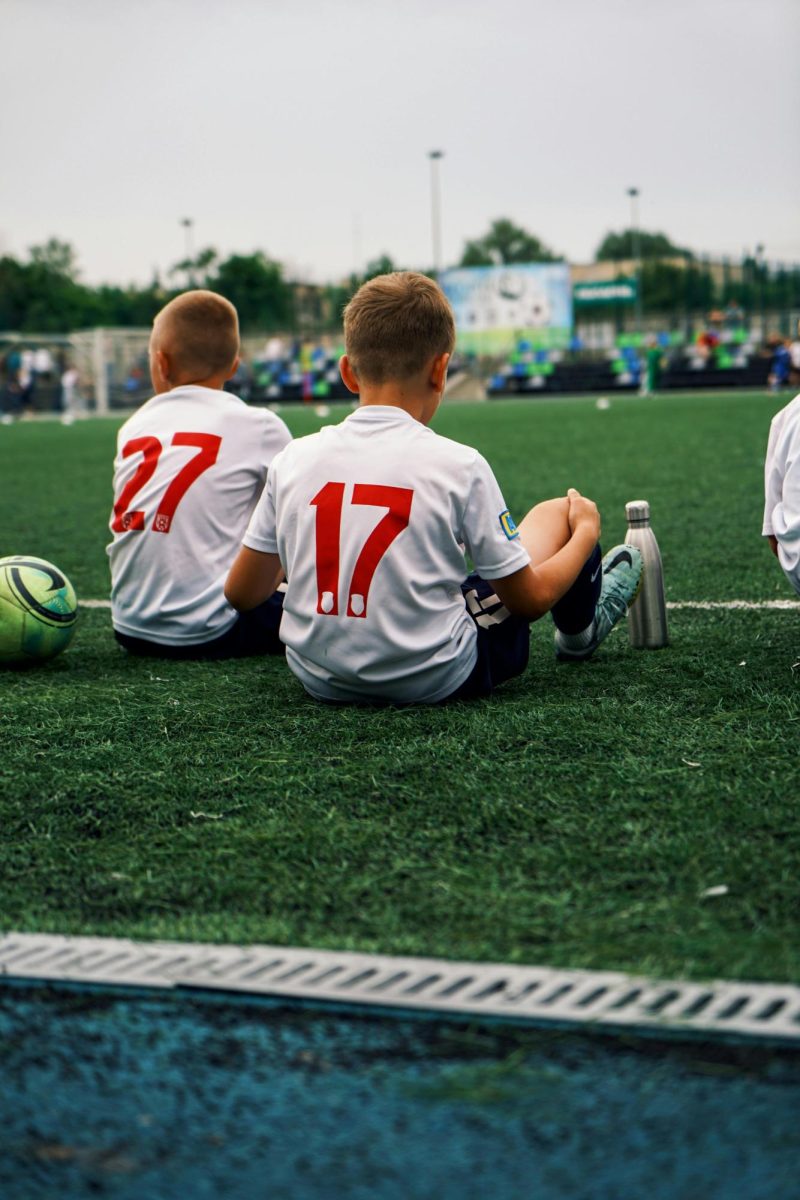















Sports are one of people’s favorite pastimes; whether it’s baseball or soccer, someone is always watching. Naturally, these adults want to get their very own children in on the fun. Most children in the United States start playing sports between the ages of 4-8. The American Academy of Pediatrics states, “Most children are not ready for organized sports until they’re at least 6 years old,” because of the lack of skills or short attention spans. In addition to these, an issue often ignored is the pressure that playing sports puts on children.
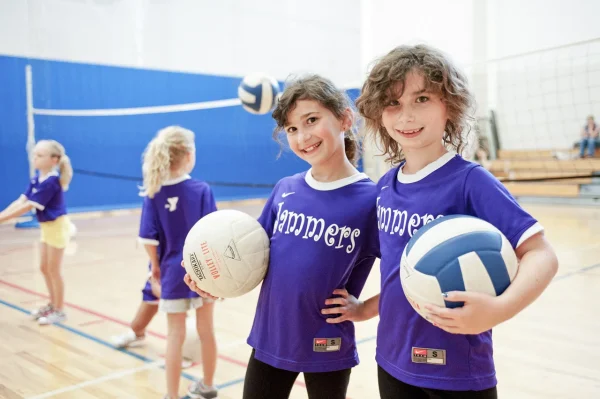 A recent study showed only 54% of children ages 6-17 were in an organized sport or took sports lessons. However, during teenage years, the participation rate drops. Many children stop playing because of insufficient motivation and reduced enjoyment for their sport, and also because of a personal mind shift. As people grow, so does their brain. This growth shows in areas such as risk taking, planning, and the capacity to anticipate consequences of actions. Sadly, in recent years more girls have stopped playing sports than boys. Only 49% of girls participate in sports at ages 5-11 due to feeling excluded, lack of female coaches, or being given fewer opportunities. “Girls have 1.3 million less opportunities to play high school sports than boys,” according to playbook.chelseapiers.com.
If someone were to tell an athlete their sport was just a game, that athlete is probably not going to respond well. Sports are truly just games, until emotions get tangled up in it. “Obsession is going to beat talent every time,” Hustle (2022). But what happens when the obsession consumes an athlete to the point of injury? Injury from overuse is common in many athletes, especially those with Early Sport Specialization (ESS). ESS is when there is intensive training or competition in an organized sport by children 12 or younger for more than eight months per year.
When a young athlete plays 10 and under softball, but they play travel ball (they go to various locations for tournaments or games), the season tends to be February through May, which is fine until the athlete, athlete’s parents, or athlete’s coach wants them to practice or take lessons the remainder of the year. This may make them better at the sport but the negatives outweigh the positives. If the athlete only focuses on one particular sport, not giving room for any others, it may lead to burnout, acute musculoskeletal injuries (ACL tears, Rotator cuff injuries, etc.), and weak core muscles. Another problem is that intense training may lead to social isolation. Athletes often become perfectionists or give themselves unrealistic expectations. It is highly encouraged for parents to give their children deep-seated reasons to play the sports they love or give them opportunities to play multiple things until around middle school. 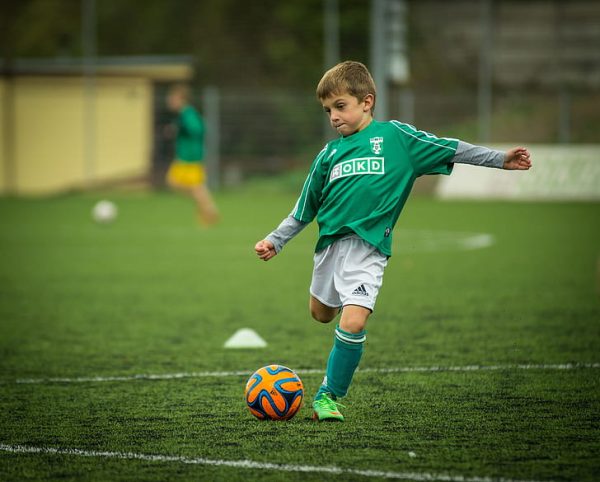
Team sports do benefit children in a variety of ways. One that is most predominant is social functioning. If a 5 year old is thrown on a soccer team, by the end of that season they will have no problem communicating with someone to pass them the ball or to talk to people about how their game went. Another one is respecting their superiors. A good coach will have earned a child’s respect for life. That coach becomes their first ever boss, the CEO of their beloved sport. Multiple studies show that mental health tends to be more balanced in participants than those who do not, children especially. It helps them be more outgoing, giving them more confidence in everyday life.
There are negative impacts, but also positive benefits of childhood sports. Both of these are highly dependent on the individual person in question. This information is provided so people can make educated decisions regarding what might be correct for their lives or the lives of their children.