



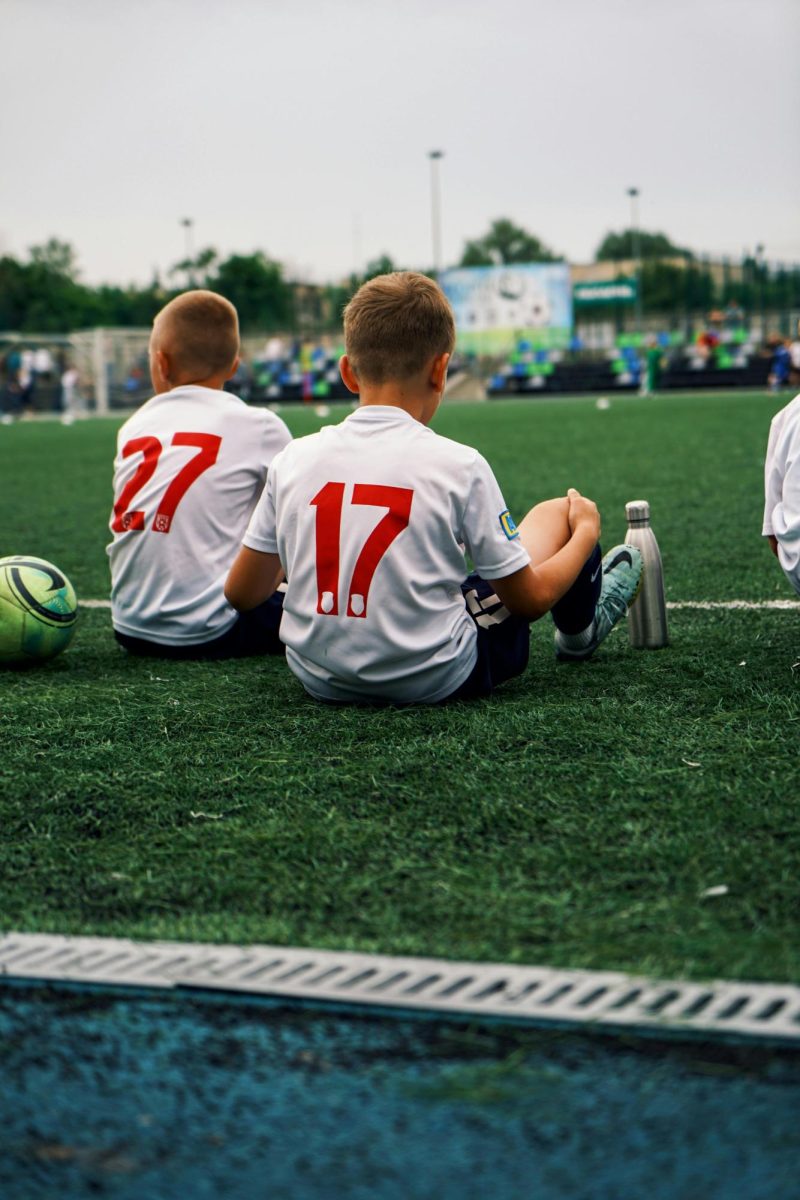

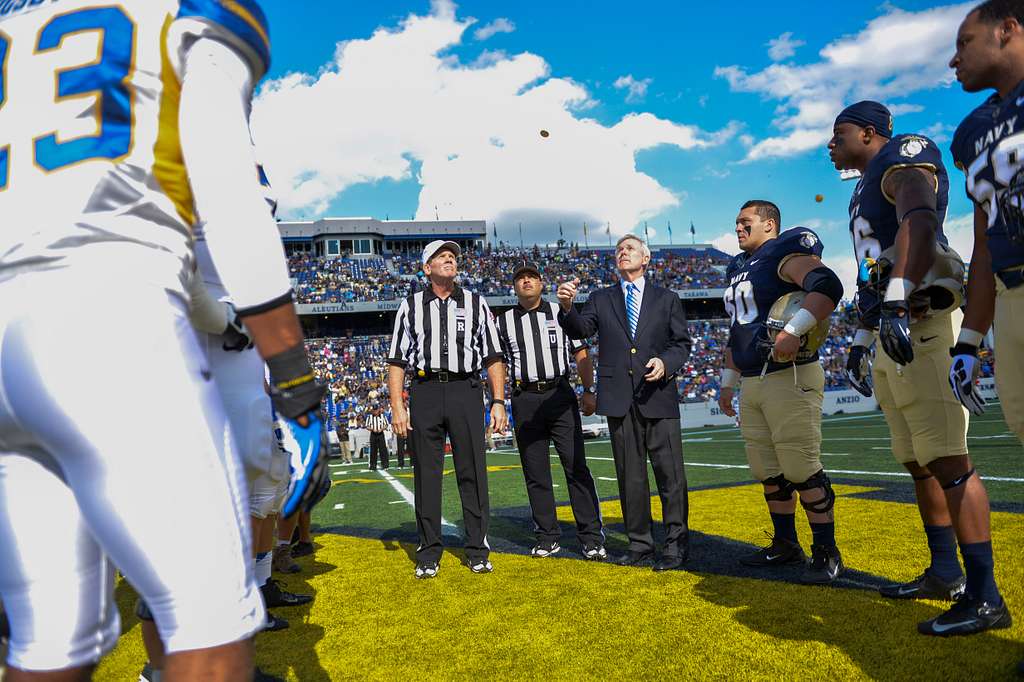











Approximately 22.3% of high school-aged athletes are at risk for sports depression. Female athletes are reported to be at a higher risk, mostly caused by fear of failure and self-pressure. Less than half of the people suffering will seek any sort of psychological help. High school and college athletes exhibit signs of sports depression most when they no longer enjoy playing their sport or being around their teammates. Though this is evident in athletes at the young age of 12, this is not limited to young adolescents; elite athletes also experience it. It doesn’t have a stopping point; it will always be there, but some people are just better at hiding it. They tend to become numb, or have little-to-no joy in anything related to the sport anymore.
“I just got to a point where getting up in the morning was too much,” an anonymous junior said. “I didn’t have the same drive in anything I did. Every time I walked into practice, it felt like a chore. I could barely stand the sport I loved playing less than a year ago.”
Athletes have always been told, ‘No pain, no gain’ or ‘Rub some dirt on it’. But sometimes that isn’t enough anymore. It used to be a scrape on the knee from sliding home, or a sprained ankle, but serious injuries can, and do, happen. A torn ACL or a dislocated shoulder can’t be fixed with a Band-Aid and a few days rest. It could take an athletic career away. For most athletes, they’ve been participating in sports since they could walk; they live and breathe it. It takes a toll on how they view their own life, especially how to deal with the ups and downs. There is a common saying that goes in one ear and out the other most of the time, ‘Comparison kills joy.’ All athletes compare themselves to others and coaches do too. They pit teammates against one another just for the sake of the team. ‘Look at how they did that.’ or ‘Watch ‘so-and-so’ do it; that’s how it should be done.’ All athletes have heard some form of this. It’s embarrassing first off, but secondly, it sticks in their head. Like a sick echo, it loops back to back endlessly. There is no way to run away from something like that. It’s not an outside force that needs to be fought; it’s all inside their head. Someone could be one of the best in their field, could be world-renowned even, but in their own head it doesn’t matter. Everyone is their own worst critic. Most athletes hate themselves; they are constantly raising the bar higher and higher, never being satisfied with their own success.
“Playing made me hate myself,” an anonymous sophomore said. “Nothing I did was ever good enough to satisfy me. From an outside perspective, I might have just had my best game the whole season, but to me, I failed. Nothing was right; I did it all wrong. And I never let myself forget it.”
It just doesn’t occur to the individual that something was good, only that they failed at something else. Everything should have been perfect; there is no room for error in their minds. For example, if a football player messes up a play during practice, it may not be noticeable to anyone else, but that’s all the player will think of for the next week or until they make another mistake. It doesn’t matter if it wasn’t a big deal; it was still a mistake. ‘What’s the point in playing if you aren’t the best?’ rings in their head every time they step onto the court or field.
What keeps athletes playing can be many things. The pressure to perform could come from a parent who loves the sport and wants them to be the best no matter what. It could possibly the memories of when it was good. There had to be a time where they liked the sport, or else they never would have played it. They may continue due to the fact they would feel lost if they stopped playing. It’s been in their life so long, they cannot imagine how to go on without it.
“My favorite memory while playing was when I won my first game with a team I actually liked,” an anonymous senior said. “I had never made friends that I wanted to keep in touch with after the season was over but I wanted to keep in touch with every single one of those girls. And we did, but half of those girls quit. They stopped playing around the time I should have stopped as well.”
At the end of the day, sports are just games. It might be a beautiful wonderful game that they lived and breathed, but ended up hurting them more than they planned. Remember the little girl or boy who wanted to play in the beginning, and think of how their heart would break if they could see the destruction caused done over time. They would want a better life.