


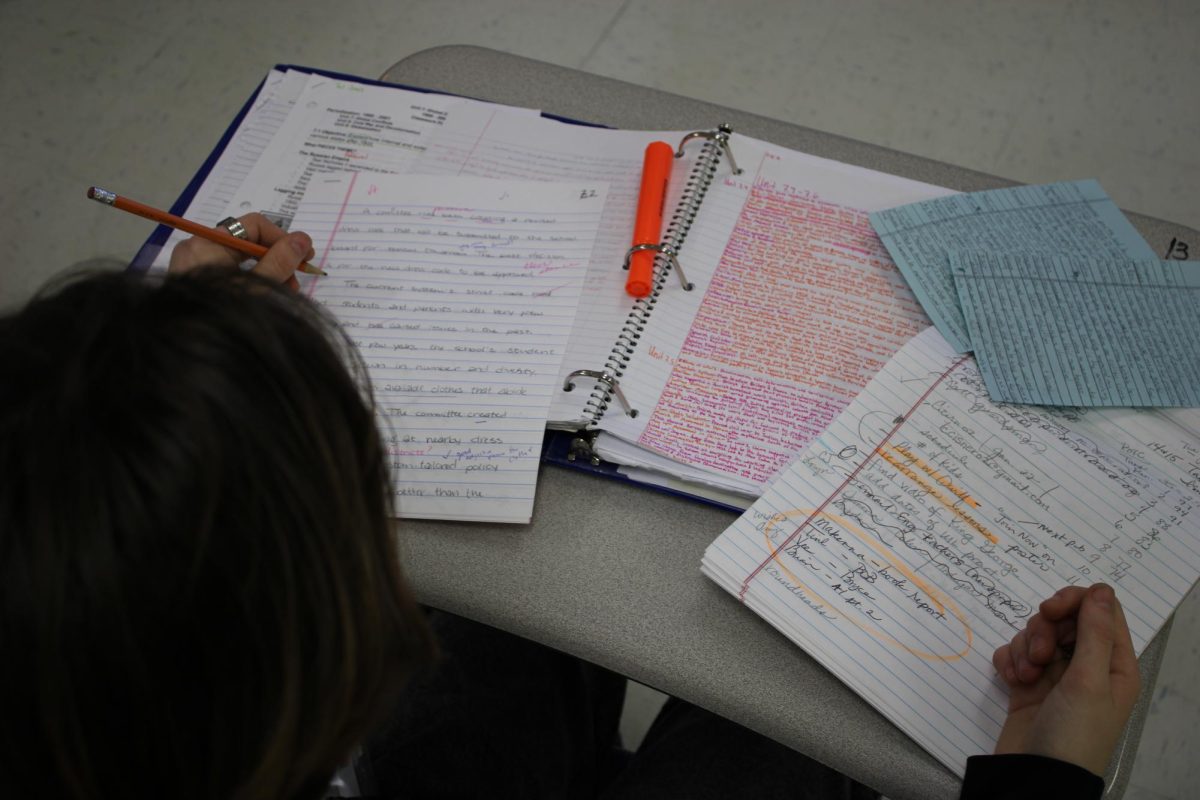

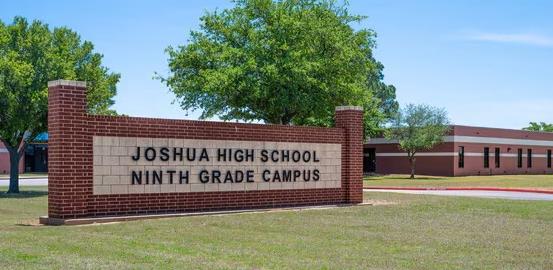





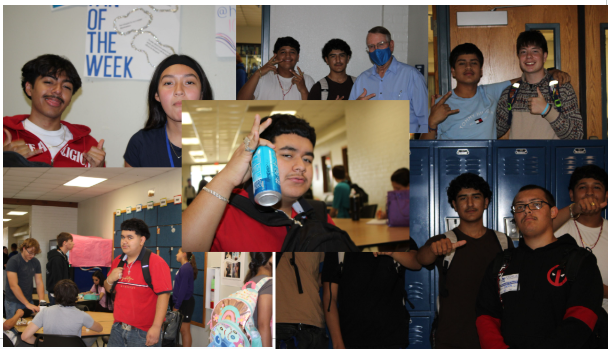
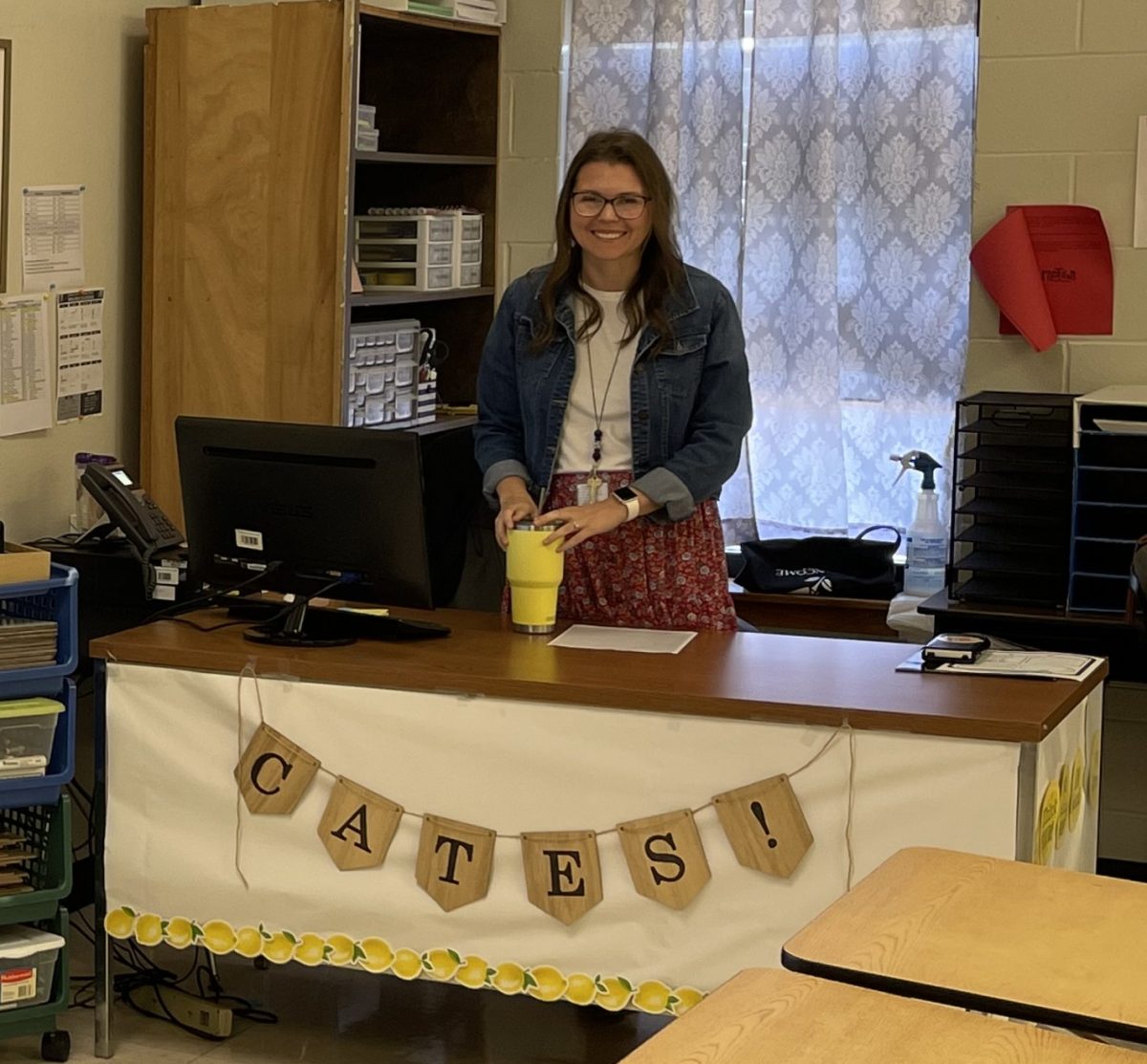
Rows of desks sit neatly inside a geometry classroom, but the real work happening there goes far beyond shapes and theorems.
For one teacher at the Ninth Grade Campus, math is more than numbers—it’s about building confidence, discipline and problem-solving skills that students can carry long after the final bell rings.
“I have always enjoyed math,” geometry teacher Jennifer Cates said. “I like that there is only one correct answer. I like that it is challenging, logical, and applicable to life.”
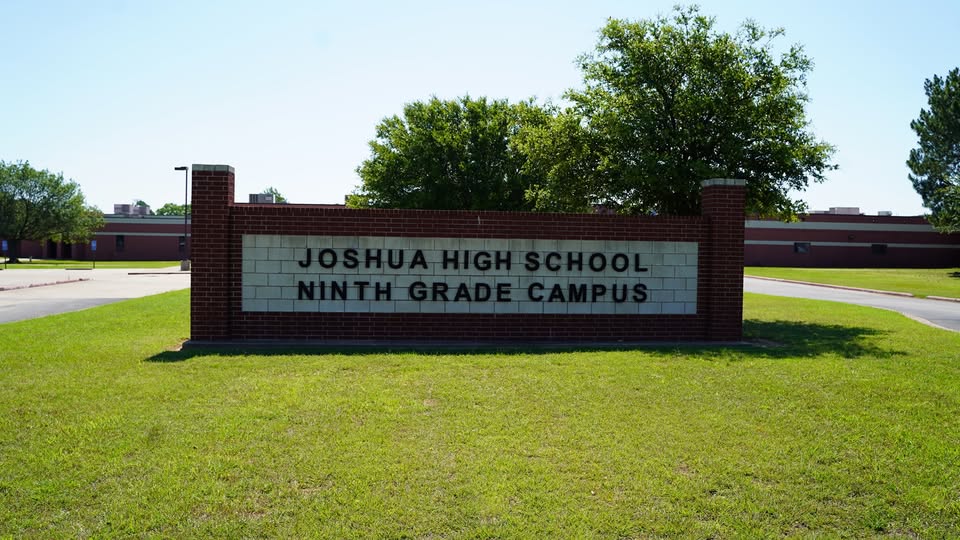
Her passion for the subject has grown steadily over time. After studying math education in college and completing roughly eight math classes and eight education courses, she graduated in December 2018. Just one week later, she began teaching geometry at the Ninth Grade Campus—and she has been there ever since.
“When I graduated college and was hired to teach in Joshua, I was excited to teach geometry,” she said. “Over time, my passion for geometry and teaching it has grown.”
Her path toward teaching was shaped early by the educators who pushed her to succeed. One of the first was her third-grade teacher, Mrs. Cliborn, who challenged her students with high expectations and encouraged them to be disciplined and motivated.
“She had extremely high expectations for us and really challenged us,” Cates said. “I feel like I learned how to set goals, how to be self-disciplined and self-motivated from her.”
Another key influence came later in high school from her education teacher, Mrs. Stevens, whose passion for teaching left a lasting impression.
“She loved and cared for all of her students,” Cates said. “She was passionate about teaching and really showed us what it was like to be a good teacher. Many of us that were in her class are teachers today.”
Those examples now guide the way she approaches her own classroom. Her goal is not just to help students understand geometry but to help them believe in their abilities.
“I do my best for every student to leave my class more confident and comfortable in their math skills,” she said. “I want my students to be strong critical thinkers and problem solvers, and I think math class is where you develop those
skills.”
Maintaining high expectations is part of that philosophy. She believes students often achieve more than they think they can—especially when they are given support along the way.
“I have high standards for my students because I know they can reach them, even if they need a little extra help,” she said. “I try to make my [class a] fun and an enjoyable place to learn and practice new skills.”
These instances of sudden understanding, where a student successfully navigates the nuances of a difficult subject, function as the cornerstone of her motivation, ensuring she remains invested in her role as an educator year after year.
“Seeing the lightbulb moment when students understand a new topic keeps me motivated,” she said. “Hearing how I am making a difference and impact in my students’ lives keeps me motivated.”
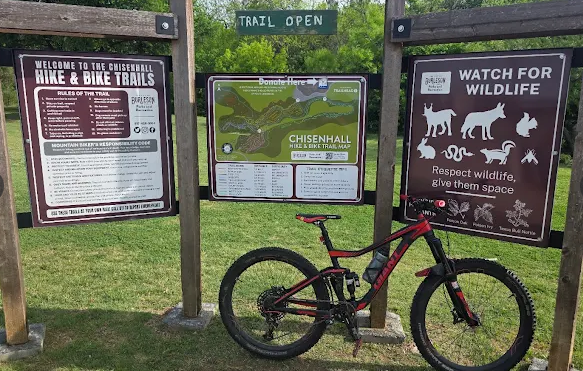
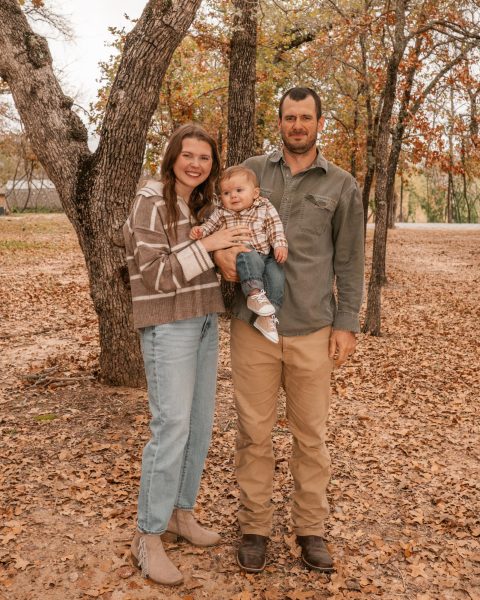
Beyond classroom walls, she finds renewal in the outdoors, often bonding with her family through shared weekend hikes and fishing trips.

“To recharge, I spend lots of time outside with my family,” she said. “We enjoy hiking and fishing.”
The qualities she tries to bring to both her career and personal life are simple but meaningful.
“I think my family and students would describe [me] in similar ways: hardworking, driven and kind,” she said.
Looking ahead, she hopes the way math is taught can shift slightly—focusing more on the thinking behind the answer rather than the answer alone.
“I would love to see a change in math prioritizing the process of solving a question instead of just focusing on the correct answer,” she said.
For students considering teaching themselves, she has one clear message.
“For anybody interested in education, I would say, many people might try to sway you in a different direction, but the world needs more good teachers,” she said. “If you are passionate about it and want to make an impact on future generations, teaching is a great place to be.”
And for the students who pass through her classroom each year, the lesson is bigger than geometry—it’s about learning how to think, persevere and believe they are capable of solving even the hardest questions. Sometimes the toughest problems are students not knowing how much their teacher cares for them.
“I hope all of my students know how important and valued they are,” she said. “I love my job being able to make connections with students year after year.