
















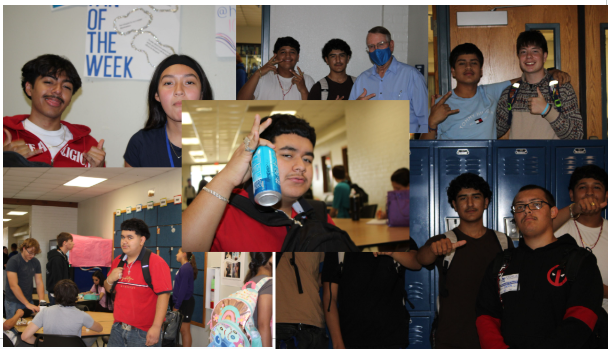
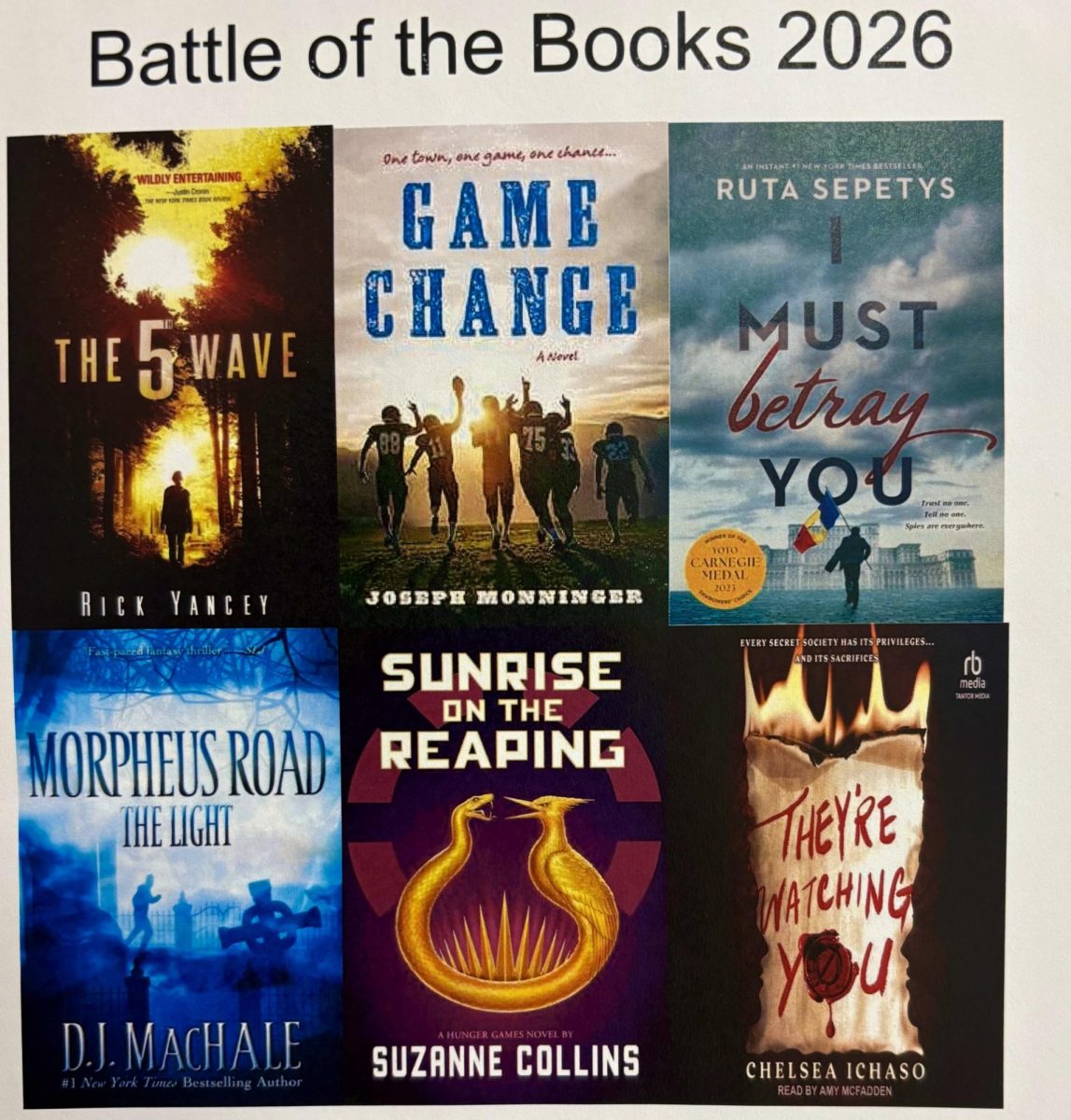
Students across the district are turning pages with purpose as they prepare for the annual Battle of the Books, a reading-based academic competition that combines literary knowledge, teamwork, and quick thinking.
Whether students join on their own or they are recruited by others, all participants have fun. The program is grades 3 – 12. From childhood to late teen years, students keep their noses in a book to win the competition.
“I joined freshman year, and I’ve done it freshman, sophomore, junior, and I’m doing it this year too,” senior Hiya Patel said. “I joined because of my friend, Keeli. She wanted a team and to join Battle of the Books.”

Battle of the Books is a program designed to motivate students to read a diverse selection of books and demonstrate their comprehension in a competitive environment. Students form teams and read from an assigned list of titles chosen for their grade level. During the competition, teams answer questions that test their memory and understanding of the books.
“Usually [the questions are] pretty straightforward, but sometimes it’s two books, and you have to say it’s this book,” senior Keeli Clark said.
The competition is structured as a series of rounds. During each round, teams are asked questions that typically begin with prompts. Teams work together to identify the correct book title and give accurate details. Points are awarded for correct answers, and the team with the highest score advances or wins the match.
“From the outside, you may think Battle of the Books is just another nerve-racking competition, but once you compete, it’s really nothing like that,” junior Austin Rees said. “Especially with your team. It’s just answering a bunch of questions about some books.”
Unlike traditional tests, Battle of the Books emphasizes collaboration. Team members, usually, divide reading responsibilities, discuss plot points, and quiz one another for preparation. This shared effort helps students develop communication skills while reinforcing the importance of accountability.
“It’s really fun, and the books are really good. It really makes you read the books,” Patel said. “You have a connection, and all your friends have basically read it, so now you can all talk about the books.”
For many students, Battle of the Books makes reading more engaging. The competitive aspect adds excitement, while the wide variety of genres, ranging from fantasy and mystery to historical fiction and nonfiction, exposes students to books they might not otherwise choose.

“The competitive side does give you the feels when you get an answer right or wrong, and especially if you succeed in the illusive challenge,” Rees said. “One of the fun parts as a competitor, I think, is keeping track of the other teams and who you think will win.”
As competition day approaches, excitement builds. Students wear team colors, cheer for classmates, and celebrate both victories and close matches. Even teams that do not win often describe the experience as rewarding and fun. Most students are so involved, they end up reading more than needed for the competition.
“Every single year you’ll find at least one book, and you’re like ‘aw man this is great,'” Clark said. “Pro tip: don’t accidentally read every book in a series before Battle of the Books because then you won’t know [which] book [the question is about]. I definitely didn’t read a five book series in the middle of Battle of the Books last year on accident. Then [got] all my questions wrong.”
Battle of the Books proves that reading can be both educational and enjoyable. By blending literature with teamwork and friendly competition, the program continues to inspire students to read more, think deeper, and work together—one book at a time.

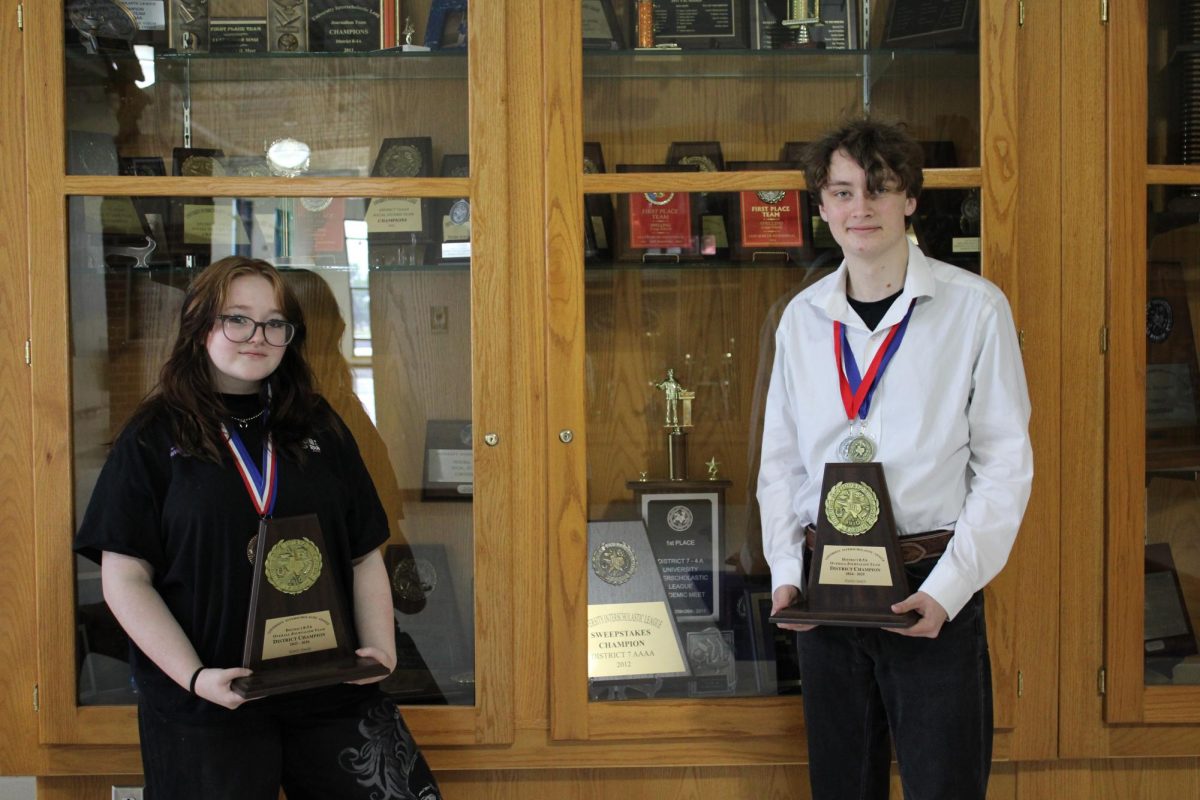
“There’s a competition and a sparkly medal, but I think the reason the librarians organize BotB is to encourage reading books throughout different school years,” Rees said. “BotB gives a fun and competitive way to get people into reading, and hopes to have you continue reading even after. I agree that reading, especially if you start at a young age, promotes vocabulary, English literacy, and also helps promote understanding in all subjects.”